Xiaomi Redmi Note 7 Review
30 January 2019, 17:43:22

Battery Tests
 Xiaomi Redmi Note 7 is equipped with a 4000 mAh battery that supports Qualcomm Quick Charge 4+ but arrives with a 5V/2A Quick Charge 3.0 fast charger. According to Xiaomi, the model should provide up to 23 hours of talk time and up to 251 hours of standby time.
 The battery of our review unit charged in full for 2 hours and 12 minutes with the provided USB data cable and charger. The process maintains a steady pace from the start until the battery reaches 90% of its capacity, which happens 1 hour and 39 minutes from the start. After that, charging slows down a bit and the battery needs 33 minutes to reach 100% of its capacity. The battery temperature starts at 31°C but immediately jumps to 34°C and gradually reaches its peak of 38°C in 39 minutes. This level is maintained for 54 minutes and after that, the temperature gradually decreases, measuring 30°C at the end.
 During our intensive browsing test, the battery of our review unit lasted for 10 hours and 12 minutes. The discharging process develops with almost one and the same speed from the start. Its speed increases a bit only after the battery drops to 20% of its capacity and a bit more after it drops to 5%. The battery temperature starts at 31°C and in 1 hour and 10 minutes, it reaches 36°C which is maintained for 3 hours and 40 minutes. Then it increases to 37°C and remains at that level until the end with occasional drops to 36°C.
1920x1080, 30 fps, H.264, 20Mbps bitrate
 The video test for battery life uses a 1080p video at 30 fps with a ~20Mbps rate is used. Our review unit's score from this test is 11 hours and 28 minutes. The discharging pattern is relatively steady with minor fluctuations in the beginning and in the end. The battery temperature starts at 27°C and in 1 hour and 26 minutes reaches 35°C maintaining this level until the end.
YEBIS OpenGL ES 3.0 3D Tech Demo
 For the 3D Graphics/Gaming test, the YEBIS OpenGL ES 3.0 3D Tech Demo is used. The battery of our review unit lasted for 6 hours and 43 minutes. The discharging process develops with almost one and the same speed from the start until the end, increasing its speed slightly after the battery drops to 20% of its capacity. The battery temperature starts at 31°C and in 45 minutes reaches 40°C. After another hour, it goes up to 41°C and remains at that level for 4 hours and 30 minutes with a temporary peak to 43°C in the mid-term. For the last half an hour of the process, the battery maintains a temperature of 43°C.
Oukitel RT3 | 10:34 (5150 mAh) |
Doogee BL7000 | 10:34 (7060 mAh) |
Samsung Galaxy S10+ Exynos | 10:32 (4100 mAh) |
Doogee Y7 Plus | 10:32 (5080 mAh) |
Cubot X19 | 10:30 (4000 mAh) |
Gretel GT6000 | 10:28 (6000 mAh) |
Samsung Galaxy A52 5G | 10:26 (4500 mAh) |
Xiaomi Redmi Note 7 Pro | 10:23 (4000 mAh) |
Xiaomi Mi A3 | 10:22 (4030 mAh) |
Ulefone Note 13P | 10:16 (5180 mAh) |
Xiaomi Redmi Note 7 | 10:12 (4000 mAh) |
Doogee S30 | 10:07 (5580 mAh) |
Xiaomi 11 Lite 5G NE | 10:07 (4250 mAh) |
Cubot Pocket 3 | 10:06 (3000 mAh) |
Cubot X50 | 10:00 (4500 mAh) |
Xiaomi Redmi Note 9 | 9:58 (5020 mAh) |
Xiaomi Redmi 5 Plus | 9:54 (4000 mAh) |
Ulefone Note 16 Pro | 9:49 (4400 mAh) |
Xiaomi Mi 9T | 9:46 (4000 mAh) |
Ulefone Armor 2 | 9:45 (4700 mAh) |
Nokia X5 | 9:40 (3060 mAh) |
Xiaomi Mi 6 | 12:08 (3350 mAh) |
Smartisan Nut Pro 2 | 12:08 (3500 mAh) |
Samsung Galaxy S8 Exynos | 11:58 (3000 mAh) |
Xiaomi Mi 8 | 11:57 (3400 mAh) |
Cubot Pocket 3 | 11:53 (3000 mAh) |
Cubot X20 Pro | 11:45 (4000 mAh) |
Blackview BV8000 Pro | 11:43 (4180 mAh) |
Elephone P8 (2017) | 11:36 (3600 mAh) |
Ulefone T2 | 11:33 (4200 mAh) |
Oukitel K8 | 11:29 (5000 mAh) |
Xiaomi Redmi Note 7 | 11:28 (4000 mAh) |
Oukitel K4000 Plus | 11:28 (4100 mAh) |
UMIDIGI Z1 Pro | 11:23 (4000 mAh) |
Huawei Honor Play | 11:16 (3750 mAh) |
Nokia X7 | 11:04 (3500 mAh) |
UMIDIGI A3 | 11:00 (3300 mAh) |
Ulefone Note 16 Pro | 10:52 (4400 mAh) |
AGM PAD P2 Active | 10:47 (8000 mAh) |
Oukitel Mix 2 | 10:43 (4080 mAh) |
Vernee Mix 2 | 10:43 (4200 mAh) |
Xiaomi Mi A1 | 10:42 (3080 mAh) |
Xiaomi 11 Lite 5G NE | 7:01 (4250 mAh) |
Nokia X7 | 7:00 (3500 mAh) |
UMIDIGI S2 | 7:00 (5100 mAh) |
AGM H5 Pro | 6:59 (7000 mAh) |
Ulefone Note 16 Pro | 6:59 (4400 mAh) |
Ulefone Armor 6 | 6:54 (5000 mAh) |
UMIDIGI One Max | 6:54 (4150 mAh) |
POCO M3 Pro 5G | 6:51 (5000 mAh) |
Xiaomi Mi MIX 2S | 6:50 (3400 mAh) |
Elephone U | 6:50 (3620 mAh) |
Xiaomi Redmi Note 7 | 6:43 (4000 mAh) |
AGM X1 | 6:40 (5400 mAh) |
Xiaomi Mi Mix 3 | 6:39 (3200 mAh) |
Cubot X19 | 6:36 (4000 mAh) |
Cubot X50 | 6:36 (4500 mAh) |
OnePlus 6 | 6:34 (3300 mAh) |
Doogee S60 | 6:34 (5580 mAh) |
UMIDIGI A3 | 6:29 (3300 mAh) |
Xiaomi Redmi S2 | 6:28 (3080 mAh) |
Xiaomi Mi 9 | 6:23 (3300 mAh) |
Ulefone Armor 2 | 6:21 (4700 mAh) |


Battery Software
Original MIUI-based Xiaomi devices arrive with Xiaomi's proprietary Security application, which has a special section dedicated to Battery management. The Redmi Note 7 is no exception. However, the Battery management part of the Security app has been simplified - for the first time in MIUI. It does not have a dedicated screen but opens the battery usage optimization screen instead and the usage history in terms of apps and hardware. Of course, there's a battery saver feature for each app. It gives you more granular control over battery draining by managing each app individually in terms of power usage. From the Battery manager settings, you can also use a number of power saving settings such as battery drain and heating notifications, toggles for clearing cache and turning off mobile data when the device is locked. It also includes a Schedule power on & off menu and Battery indicator settings. The Battery menu from the System Settings actually leads to the power manager of the Security application, adding only one feature - the Smart Scenes. In MIUI 10, this includes only the Sleep Mode. If the Sleep Mode is on, MIUI will know that you're sleeping and will not light up the screen for notifications, will restrict Bluetooth, Wi-Fi, mobile data and GPS usage, and will close all background apps.


Most recent reviews
A list of the most recent reviews of mobile devices made by us
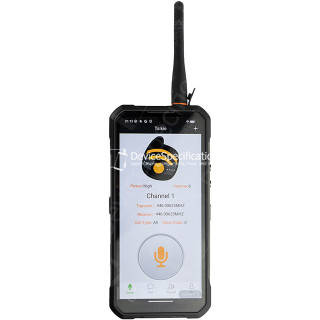
Oukitel WP61 Plus Review
Dimensions: 85 x 179.5 x 27.5 mm
Weight: 651 g
SoC: MediaTek Dimensity 7025 (MT6855V)
CPU: 2x 2.5 GHz ARM Cortex-A78, 6x 2.0 GHz ARM Cortex-A55, Cores: 8
GPU: IMG BXM-8-256, 950 MHz
RAM: 12 GB, 3200 MHz
Storage: 512 GB
Display: 6.78 in, IPS, 1080 x 2460 pixels, 24 bit
Battery: 20000 mAh, Li-Polymer
OS: Android 16
Camera: 12000 x 9000 pixels, 2560 x 1440 pixels, 25 fps
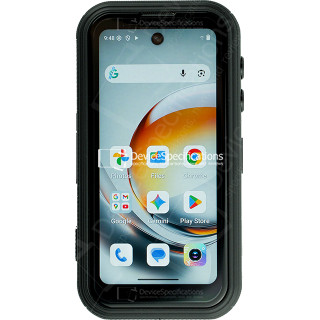
FOSSiBOT F116 Pro Review
Dimensions: 59.6 x 114.5 x 23 mm
Weight: 207 g
SoC: MediaTek Dimensity 7300 (MT6878)
CPU: 4x 2.5 GHz ARM Cortex-A78, 4x 2.0 GHz ARM Cortex-A55, Cores: 8
GPU: ARM Mali-G615 MC2
RAM: 12 GB, 2133 MHz
Storage: 256 GB
Display: 4 in, IPS, 540 x 1168 pixels, 24 bit
Battery: 3700 mAh, Li-Polymer
OS: Android 16
Camera: 8192 x 6144 pixels, 3840 x 2160 pixels, 30 fps

REDMAGIC 11 Air Review
Dimensions: 76.54 x 163.82 x 7.85 mm
Weight: 207 g
SoC: Qualcomm Snapdragon 8 Elite (SM8750-AB)
CPU: 2x 4.32 GHz, 6x 3.53 GHz, Cores: 8
GPU: Qualcomm Adreno 830, 1100 MHz
RAM: 12 GB, 16 GB, 4800 MHz
Storage: 256 GB, 512 GB
Display: 6.85 in, Q10 AMOLED, 1216 x 2688 pixels, 30 bit
Battery: 7000 mAh, Li-Polymer
OS: Red Magic OS 11.0 (Android 16)
Camera: 8182 x 6144 pixels, 7680 x 4320 pixels, 30 fps
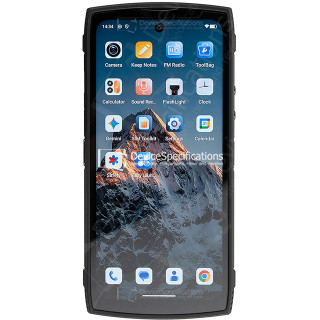
Lagenio Panther 2 Pro Review
Dimensions: 82 x 175.4 x 11.3 mm
Weight: 266 g
SoC: Unisoc T7250
CPU: 2x 1.8 GHz ARM Cortex-A75, 6x 1.6 GHz ARM Cortex-A55, Cores: 8
GPU: ARM Mali-G57 MP1, 850 MHz
RAM: 8 GB, 1866 MHz
Storage: 256 GB
Display: 6.7 in, IPS, 720 x 1600 pixels, 24 bit
Battery: 5150 mAh, Li-Polymer
OS: Android 15
Camera: 8160 x 6128 pixels, 1920 x 1080 pixels, 30 fps

Oukitel WP55 Pro Review
Dimensions: 81 x 172.2 x 15.3 mm
Weight: 360 g
SoC: MediaTek Dimensity 7025 (MT6855V)
CPU: 2x 2.5 GHz ARM Cortex-A78, 6x 2.0 GHz ARM Cortex-A55, Cores: 8
GPU: IMG BXM-8-256, 950 MHz
RAM: 16 GB, 3200 MHz
Storage: 512 GB
Display: 6.6 in, IPS, 1080 x 2408 pixels, 24 bit
Battery: 11000 mAh, Li-Polymer
OS: Android 15
Camera: 12000 x 9000 pixels, 2560 x 1440 pixels, 30 fps

FOSSiBOT F107 Pro Review
Dimensions: 90.6 x 190.1 x 39.95 mm
Weight: 910 g
SoC: MediaTek Dimensity 7300 (MT6878)
CPU: 4x 2.5 GHz ARM Cortex-A78, 4x 2.0 GHz ARM Cortex-A55, Cores: 8
GPU: ARM Mali-G615 MC2
RAM: 12 GB, 2133 MHz
Storage: 512 GB
Display: 6.95 in, IPS, 1080 x 2460 pixels, 24 bit
Battery: 28000 mAh, Li-Polymer
OS: Android 15
Camera: 16320 x 12288 pixels, 3840 x 2160 pixels, 30 fps

REDMAGIC 11 Pro Global Review
Dimensions: 76.54 x 163.82 x 8.9 mm
Weight: 230 g
SoC: Qualcomm Snapdragon 8 Elite Gen 5 (SM8850-AC)
CPU: 2x 4.61 GHz Oryon, 6x 3.63 GHz Oryon, Cores: 8
GPU: Qualcomm Adreno 840 (829), 768 MHz
RAM: 12 GB, 16 GB, 24 GB, 5333 MHz
Storage: 256 GB, 512 GB, 1024 GB
Display: 6.85 in, AMOLED, 1216 x 2688 pixels, 30 bit
Battery: 7500 mAh, Li-Polymer
OS: Red Magic OS 11 (Android 16)
Camera: 8182 x 6144 pixels, 7680 x 4320 pixels, 30 fps

Ulefone Armor Pad 5 Ultra Review
Dimensions: 269.7 x 179.5 x 27.8 mm
Weight: 1600 g
SoC: MediaTek Dimensity 7400X (MT6878V/TFZA)
CPU: 4x 2.6 GHz ARM Cortex-A78, 4x ARM Cortex-A55, Cores: 8
GPU: ARM Mali-G615 MC2
RAM: 12 GB, 2133 MHz
Storage: 512 GB
Display: 10.95 in, IPS, 1920 x 1200 pixels, 24 bit
Battery: 24200 mAh, Li-Polymer
OS: Android 15
Camera: 9280 x 6920 pixels, 3840 x 2160 pixels, 30 fps
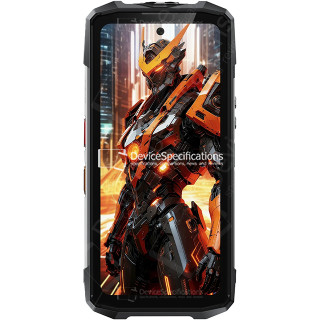
FOSSiBOT F113 Review
Dimensions: 89.2 x 186.2 x 31.6 mm
Weight: 699 g
SoC: MediaTek Dimensity 7050 (MT6877V)
CPU: 2x 2.6 GHz ARM Cortex-A78, 6x 2.0 GHz ARM Cortex-A55, Cores: 8
GPU: ARM Mali-G68 MC4, 950 MHz
RAM: 12 GB, 2133 MHz
Storage: 256 GB
Display: 6.78 in, IPS, 1080 x 2460 pixels, 24 bit
Battery: 20000 mAh, Li-Polymer
OS: Android 15
Camera: 8120 x 6180 pixels, 3840 x 2160 pixels, 30 fps